How to Read Your Birth Chart: A Complete Beginner's Guide
Reading a birth chart becomes manageable once you follow the right order: gather accurate data, identify the big three, read houses, and then interpret aspects.
March 23, 2026 • 12 min read • SoulPath Editorial
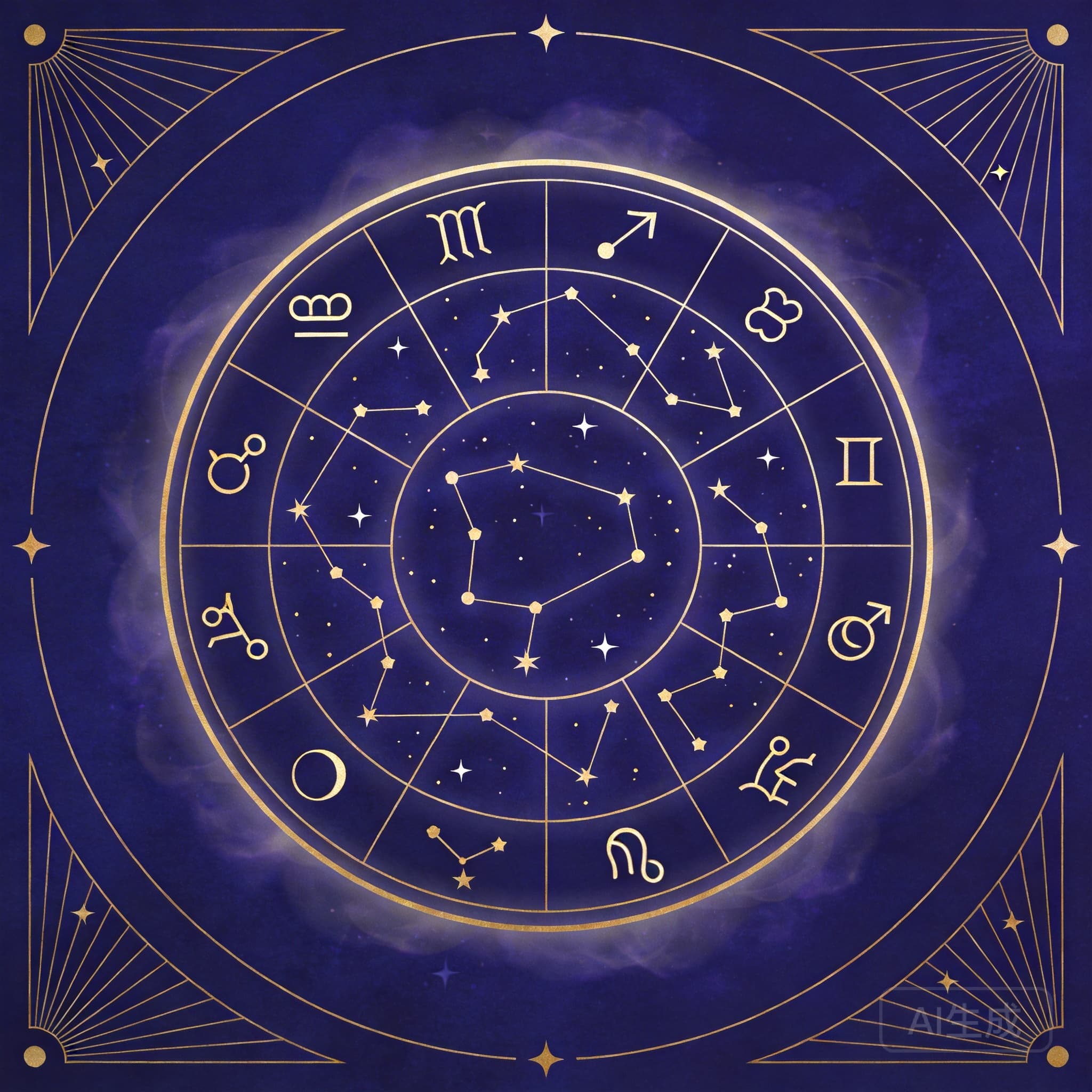
Step 1: Start with exact birth data before you interpret anything
A readable birth chart starts with accurate birth date, birth time, and birth location. Without time, you can usually trust the Sun sign, but the Rising sign, house system, and sometimes Moon placement may shift enough to change the reading.
Swiss Ephemeris has been a professional standard for digital chart calculation since 1997, which is why modern online charts can be highly accurate when the inputs are correct. SoulPath uses Swiss Ephemeris-based calculations at https://soulpath.live/birth-chart so beginners do not have to guess whether the astronomy layer is solid.
Astrologer Chani Nicholas calls the chart “a snapshot of the sky,” and that quote is useful because it keeps the first step concrete. You are not reading vibes from nowhere; you are interpreting a timed sky map anchored to real coordinates.
Step 2: Read the Sun, Moon, and Rising before you read anything else
The fastest way to read a chart is to start with the big three. The Sun describes core identity and purpose, the Moon describes emotional regulation and attachment patterns, and the Rising sign describes first-response energy and social presentation.
According to a 2024 YouGov survey, 27% of Americans believe in astrology, but many of those people only know their Sun sign. That is why beginners often feel astrology is shallow at first. The chart becomes dramatically more specific once you add Moon and Rising.
If you only have five minutes, read those three placements first and write one sentence for each: who I am becoming, what I need emotionally, and how I meet the world. That alone makes the chart practical instead of decorative.
Step 3: Use the houses to locate where life themes are showing up
Houses tell you where planetary energy lands in lived experience. A placement in the seventh house will show up differently from the same planet in the tenth house because the area of life changes the expression.
A simple beginner rule works well: first house is self, fourth is home, seventh is relationships, and tenth is career. You do not need to memorize every house in one sitting. You need to connect each placement to one real-life arena at a time.
This is where SoulPath can help users move from chart symbols into real-life reflection. Once the big three are clear, you can keep the reading grounded by asking how a house placement changes communication, work style, or emotional habits over the next month.
Step 4: Read aspects last because they explain why the chart feels complex
Aspects describe how planets relate to one another. Conjunctions intensify, trines ease flow, squares create tension, and oppositions reveal polarity. Read them last because they explain contradictions only after you already know the main characters in the chart.
A good beginner workflow is Sun, Moon, Rising, houses, then aspects. That order prevents overwhelm and makes interpretation cumulative. It also aligns with how experienced astrologers usually teach chart literacy to new students.
If you want a next step after the chart, pair your reading with SoulPath tarot at https://soulpath.live/tarot or numerology at https://soulpath.live/numerology. Birth charts show structure; the other tools help you decide what to do with that structure now.
Explore SoulPath Tools
Use these insights right away with personalized readings.
Related Articles
Astrology
Free Birth Chart Calculator vs Full Reading: What Is the Difference?
A free birth chart calculator can give you accurate placements, but most people still need interpretation before those symbols become useful decisions.
Astrology
What Is a Moon Sign Calculator and How Does It Work?
Moon sign calculators help users move beyond generic astrology by revealing the emotional layer of the chart that Sun signs alone often miss.
Astrology
What Is a Rising Sign Calculator and Why Does Birth Time Matter So Much?
Rising sign calculators are powerful, but only when birth time is handled carefully because even small errors can change the result.